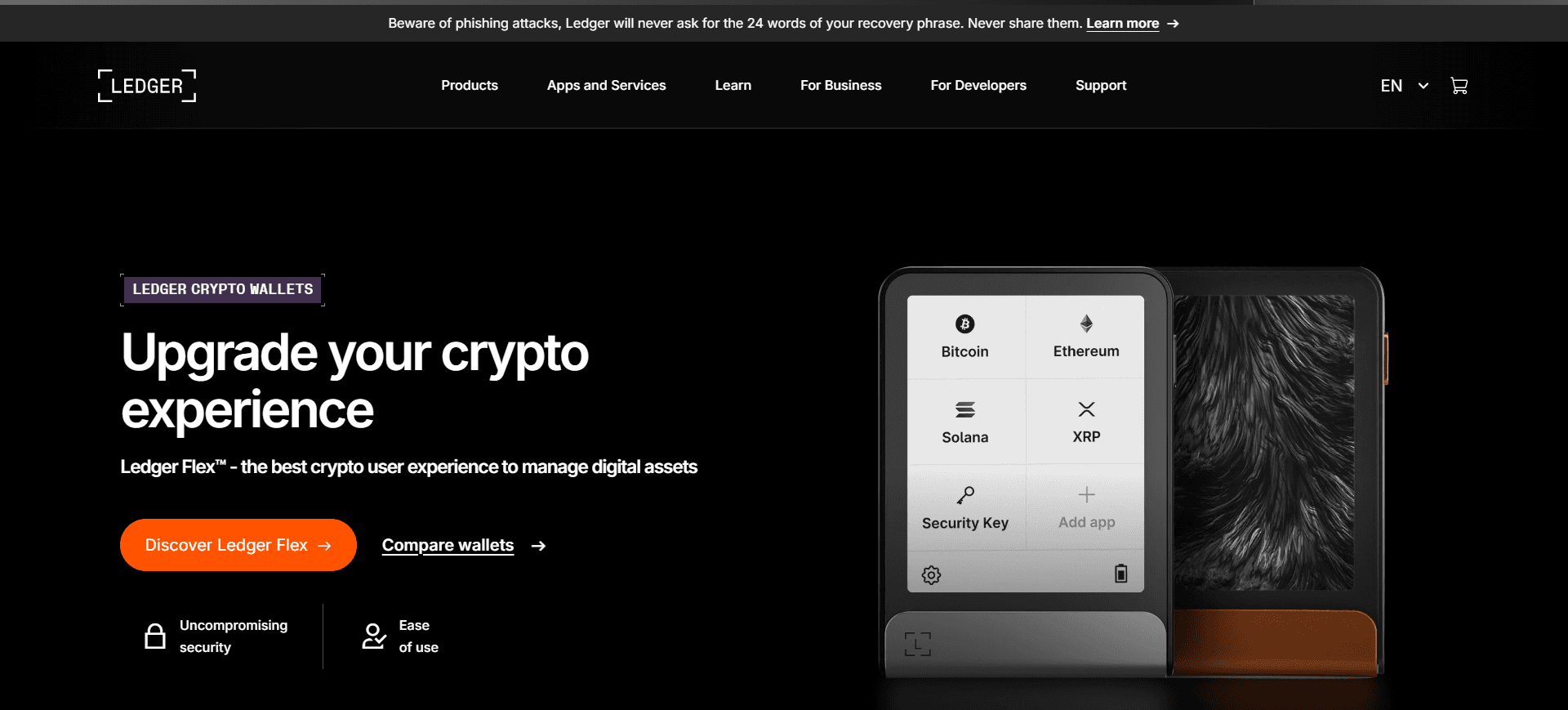
Ledger.com/start is widely recognized as the official onboarding page provided by Ledger for users who want to begin using their Ledger hardware wallet. Hardware wallets play a crucial role in cryptocurrency security, and Ledger is one of the most well-known brands in this space. Many people who purchase a Ledger device—whether it is a Ledger Nano S Plus, Ledger Nano X, or other models—use Ledger.com/start as the starting point for installation, setup, and learning. This article provides a comprehensive and educational explanation of what Ledger.com/start generally represents, what users commonly learn from it, and how the overall onboarding process works from a technical and conceptual standpoint. This text is not affiliated with the company; it simply describes general knowledge about hardware wallet usage and beginner steps.
Hardware wallets are different from software wallets because they store private keys offline in a device that is designed to remain isolated from the internet. A private key is the most sensitive element of a crypto wallet, because it is what allows someone to control and move digital assets. If a private key is exposed, lost, or stolen, the crypto associated with it can be compromised. Ledger devices are built with secure chips that protect private keys by ensuring they never leave the physical hardware. This is part of why many people choose a hardware wallet and why platforms like Ledger.com/start are used as educational gateways.
When someone obtains a Ledger device, the onboarding process usually begins by unboxing the hardware and verifying that the package is genuine. It is generally recommended that users purchase devices directly from official channels because hardware wallet safety depends on the device being untampered. A sealed box, secure packaging, and official documentation are important signs. At this stage, Ledger.com/start often serves to guide users toward the next step: downloading the Ledger Live application.
Ledger Live is the companion software that interacts with the hardware wallet. It is not a wallet by itself in the sense of holding private keys; instead, it acts as a user interface to manage accounts, check balances, install apps for different cryptocurrencies, and approve transactions. The hardware component handles private key signing. Because Ledger Live is downloaded from official sources, the Ledger.com/start gateway helps reduce the risk of users installing fake applications.
Once the Ledger Live program is installed on a computer or mobile device, the next stage is device initialization. During this process, the hardware wallet generates a recovery phrase, commonly known as a 24-word seed phrase. This seed phrase is extremely important because it can recover the entire wallet even if the device is lost or damaged. Users are instructed to write this phrase down physically rather than storing it digitally. Storing recovery phrases in digital form exposes them to hacking, malware, or unauthorized access. The entire industry consistently emphasizes that no one should ever ask a user for their recovery phrase—not websites, not apps, and not support agents. The user alone must keep it private and secure.
Ledger.com/start content often reinforces these principles to ensure that beginners understand the critical nature of seed phrase security. Learning how to protect recovery phrases is one of the most important parts of any wallet onboarding process. Because cryptocurrency operates on decentralized networks, lost recovery data cannot be retrieved by a company or support team. There is no “reset password” option for private keys. This is why people are taught to write their seed phrase on paper or other durable medium and store it securely.
After the seed phrase is written down and device initialization is complete, users continue through the onboarding steps by setting a PIN code. The PIN is used each time the hardware wallet is accessed. It protects the device in case it is physically stolen. Only individuals who know the PIN can approve transactions by physically pressing buttons on the Ledger device. This two-layer protection—offline storage plus physical confirmation—provides strong security relative to software-only wallets.
Once setup is complete, the Ledger Live application can be used to install coin apps on the hardware device. Ledger devices support numerous cryptocurrencies, but each one typically requires a small app installed on the device to enable interaction. Users can choose which apps to install based on the assets they want to manage. For example, someone who holds Bitcoin would install the Bitcoin app, while someone managing Ethereum would install the Ethereum app. Ledger Live handles these installations through a secure channel communicated by USB or Bluetooth, depending on the device model.
Ledger.com/start-related materials often explain that the next step after app installation is adding accounts within Ledger Live. An account in Ledger Live corresponds to a public address for a given asset. Even though Ledger Live shows balances, the private keys remain exclusively in the hardware wallet. When a user creates an account for a cryptocurrency, Ledger Live reads the public keys generated by the device and displays the corresponding account information. Users can then receive crypto by sharing their public address.
A key part of the onboarding journey is learning how to send and receive transactions securely. To receive crypto, a user shares their public wallet address. To send crypto, a user creates a transaction in Ledger Live and then confirms it on the hardware wallet itself. The transaction cannot be executed without physical confirmation on the device, which helps prevent unauthorized remote transfers. This requirement builds trust and reduces risks of malware attempting to move funds silently.
The educational flow found on Ledger.com/start frequently highlights the importance of verifying addresses on the device screen rather than trusting the computer screen alone. Malware can manipulate the address shown on a computer, but it cannot alter the address shown on the hardware wallet’s secure screen. This is why devices like Ledger include built-in displays and buttons—so users can confirm critical details with full certainty.
Beyond transaction basics, Ledger onboarding content also explores security best practices. Users are informed that they should regularly update both Ledger Live and their device firmware. Firmware updates may include security patches, new features, or support for additional cryptocurrencies. Keeping software updated ensures ongoing security. But updates should always be performed through official channels; using unofficial tools or files can be dangerous.
In addition to basic steps, Ledger.com/start content often teaches about network fees, blockchain confirmations, and how crypto transactions behave. Blockchain networks require miners or validators to process transactions, and this process varies across different cryptocurrencies. For example, Bitcoin confirmations are different from Ethereum confirmations. Ledger Live displays estimated fees and speeds for each transaction, helping users make informed decisions.
Another important topic commonly associated with Ledger onboarding is managing multiple accounts or different types of assets. For example, within the Ethereum ecosystem, a user may hold ETH as well as ERC-20 tokens. Ledger devices support this by using the Ethereum app to sign transactions, while Ledger Live handles token tracking. This model extends to many blockchain ecosystems, enabling users to expand their portfolio easily while maintaining hardware-level security.
The educational material related to Ledger.com/start also emphasizes phishing awareness. Hackers may attempt to imitate official websites, emails, or apps to trick users into revealing seed phrases or approving fraudulent actions. Users are taught to avoid clicking links from unknown sources and to never provide their recovery phrase under any circumstances. This kind of awareness plays a major role in long-term asset protection.
For many beginners, Ledger.com/start serves as a structured path to understanding how decentralized storage works. Unlike bank accounts, cryptocurrency wallets do not rely on central authorities. Instead, the user is entirely responsible for maintaining security. This independence is empowering but also requires caution. The 24-word seed phrase is the master key to everything, and Ledger’s educational approach focuses heavily on helping users understand this responsibility.
Once users become comfortable with the basics, they can explore additional features available through Ledger Live. These may include staking certain cryptocurrencies, viewing portfolio performance, or connecting to decentralized applications through supported integrations. The hardware wallet typically acts as a secure signing device, while Ledger Live or external platforms provide the interface for interacting with networks or Web3 tools. This structure helps users engage with advanced blockchain features without compromising private key safety.
Another concept highlighted in educational content is the importance of backups. Writing down the recovery phrase is essential, but some users choose to create multiple copies stored in separate safe locations. Others prefer to engrave the phrase on metal plates to protect it from fire or water. Any method is acceptable as long as it keeps the recovery phrase private and secure. Ledger.com/start materials frequently remind users that without their recovery phrase, they cannot restore their wallet.
As the digital asset ecosystem continues to expand, onboarding content such as what people learn through Ledger.com/start plays a crucial role in helping users navigate new technologies. Many newcomers to cryptocurrency are unfamiliar with terms like blockchain, private keys, seed phrases, hardware wallets, or staking. Educational guides smooth the learning curve and help users adopt better practices from the beginning.
Ledger devices have become popular in part because they blend strong security with ease of use. The step-by-step approach described in onboarding materials helps users feel confident even if they are handling crypto for the first time. The combination of hardware protection, software interface, and clear educational guidelines has contributed to wider adoption of hardware wallets across the crypto space.
In summary, Ledger.com/start is commonly used as the introductory hub for individuals who want to set up a Ledger hardware wallet in a secure, structured, and informed way. It guides users through downloading Ledger Live, initializing their device, generating and storing a recovery phrase, installing apps, adding accounts, and performing transactions safely. It also teaches essential security practices, warns about phishing risks, and explains how to manage digital assets responsibly. This starting point allows users to build confidence in the safety of their crypto holdings and provides them with the foundational knowledge needed to engage with the broader blockchain ecosystem.
While the actual steps and instructions evolve over time as technology improves, the core message remains the same: a hardware wallet is one of the strongest ways to protect crypto assets, and onboarding materials help users understand how to use it correctly. The journey outlined by platforms like Ledger.com/start empowers users to take full control of their digital wealth while maintaining strong security practices. Whether someone is new to cryptocurrency or has years of experience, understanding how hardware wallets function—and how to protect recovery information—remains essential to safeguarding digital assets.