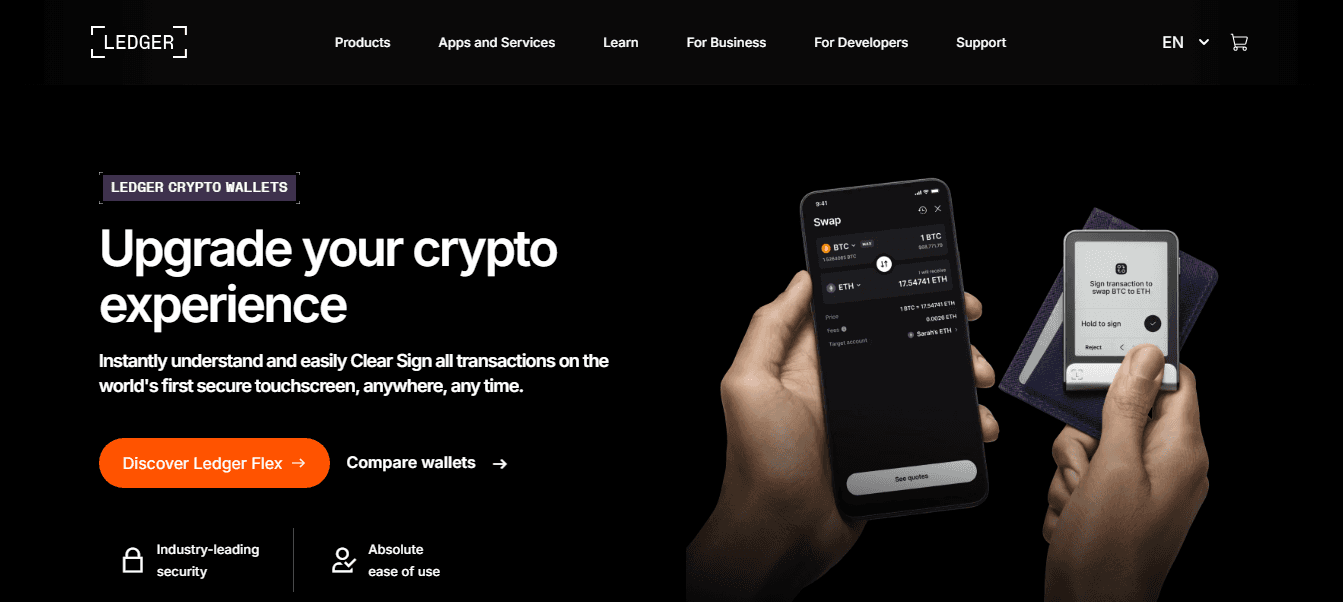
Ledger.com/start is the official onboarding page created to guide new users through the process of setting up a Ledger hardware wallet. Whether you are brand new to cryptocurrency or transitioning from a software wallet, the purpose of Ledger’s start page is to provide a structured, secure, and easy-to-follow path toward managing your digital assets safely. This long-form, educational content explains everything you need to know about the platform, the setup process, best security practices, the principles behind hardware wallets, common mistakes to avoid, and how to confidently navigate the Ledger ecosystem. This is not a replacement for official instructions, but a general informational guide that explains what users typically experience when visiting Ledger.com/start.
Understanding the Purpose of Ledger.com/start
When users purchase a Ledger Nano S Plus, Ledger Nano X, or any other Ledger device, the next step is to properly initialize it. Ledger.com/start was created to give users a centralized, official location where they can access instructions, download Ledger Live, understand safety guidelines, and begin using their wallet. It acts as a safe entry point, reducing the risk of confusion and helping ensure that users follow correct steps instead of relying on unofficial or potentially unsafe sources. Because hardware wallets are only as secure as the way they are set up, having a trusted location to begin is extremely important.
At its core, Ledger.com/start introduces users to three essential concepts: device setup, software installation, and fundamental security practices. The site guides you through plugging in your device, creating a new wallet, securing your recovery phrase, verifying the device’s authenticity, and finally connecting to Ledger Live. Each step is designed to minimize errors and reduce the chances of falling victim to malicious attempts such as phishing, seed-phrase requests, or unsafe downloads.
Getting Started: What You Need Before Visiting Ledger.com/start
Before you begin the setup process, you should have your Ledger device, a computer or smartphone, and a stable internet connection. The packaging of the device generally includes the hardware wallet, a USB cable, a set of recovery sheets, and informational cards. Ledger.com/start instructs you to always verify the physical condition of the box and device. While Ledger uses tamper-evident hardware design rather than tamper-evident packaging, the device should still appear new, clean, and unaltered. The site also teaches users that the device should never come with a pre-written recovery phrase. If a recovery phrase is provided by a seller, it is unsafe to use and should be considered compromised.
Navigating Ledger.com/start for the First Time
When you arrive at Ledger.com/start, you are presented with simple instructions directing you toward the correct setup flow for your specific device. The page guides users to install Ledger Live, which serves as the software interface for managing accounts, sending and receiving cryptocurrency, installing apps, and updating firmware. Even though the hardware wallet stores your private keys offline, Ledger Live is necessary to interact with the blockchain networks.
The instructions at Ledger.com/start are intentionally simple: download Ledger Live, power on your device, follow the on-screen prompts on the hardware wallet, and proceed through the guided setup. The clarity of the process is important because it helps reduce the chances of misconfiguration. Users who carefully follow the official steps significantly reduce their security risks.
Understanding Ledger Live: The Companion Application
A major section of Ledger.com/start introduces users to Ledger Live. Ledger Live is a software interface that acts as a secure communication bridge between your hardware wallet and blockchain networks. When you install Ledger Live, you gain access to portfolio tracking, device management, crypto account management, and service integrations.
Even though the application allows you to perform many operations, it never exposes your private keys. These private keys remain locked inside the secure element chip of your Ledger device. Ledger Live only handles public data and interacts with the device when signing transactions. This separation of duties creates a secure environment where your sensitive information never touches the internet.
Setting Up Your Ledger Device: Step-by-Step Overview
Once you follow the prompts at Ledger.com/start, you begin the actual setup process.
Powering On the Device
You connect the device via USB (or Bluetooth for certain models) and turn it on. The device displays welcome messages and instructs you to begin configuration.Creating or Restoring a Wallet
During setup, you choose whether to create a new wallet or restore an existing one. If you are new to Ledger, you select “Set up as new device.” If you already have a recovery phrase from another Ledger device, you may choose the restore option, but this must be done carefully because entering your phrase in public places or near cameras is unsafe.Choosing a PIN Code
Ledger devices require a PIN code for physical access. Ledger.com/start emphasizes choosing a strong PIN and never sharing it. The PIN protects the device if it is lost or stolen.Backing Up Your Recovery Phrase
The recovery phrase is the most important component in the entire setup process. It is a collection of 24 words displayed on your device. Ledger.com/start teaches users to write this phrase on paper, store it safely offline, and never digitalize it. Because the recovery phrase can regenerate your entire wallet, anyone who possesses it can access your funds. Therefore, it must remain private and secure. Ledger will never ask for it, and no support team, website, or application should ever request it.Confirming the Recovery Phrase
The device will ask you to confirm your recovery phrase to ensure you wrote it down correctly. This prevents mistakes that could otherwise lead to permanent loss of access.Installing Ledger Live Apps
Once the wallet is backed up and secure, Ledger Live helps you install apps for individual cryptocurrencies, such as Bitcoin, Ethereum, or other supported assets.Adding Accounts
After installing apps, you add accounts for your assets. These accounts are representations of your public addresses generated securely by the device.
Security Concepts Explained at Ledger.com/start
Ledger.com/start does more than guide users through setup. It also educates about the fundamental concept of self-custody. Hardware wallets exist to remove the dependency on custodial services such as exchanges. Instead of a company holding private keys on behalf of users, Ledger devices store keys in an offline, tamper-resistant chip. This ensures that even if your computer is compromised, attackers cannot access your private keys.
The page also teaches that the recovery phrase is your ultimate backup. While the hardware wallet stores your private keys, the seed phrase can restore those keys on any compatible device. This is why protecting it is an absolute priority. It should never be photographed, typed into websites, saved in online storage, or shared with anyone.
In addition to seed-phrase education, Ledger.com/start introduces concepts such as signing transactions, verifying addresses, and checking device authenticity. Verification is especially important because users must confirm transaction details on the device screen rather than relying solely on the computer display. This practice prevents malicious software from substituting addresses.
Maintaining and Updating Your Ledger Device
Ledger.com/start encourages users to keep firmware and applications up to date. Firmware updates add security enhancements, bug fixes, and new features. Because the device communicates through Ledger Live, updates are coordinated through the application. Users must confirm the update on the hardware wallet, preventing unauthorized changes.
Common Mistakes Ledger.com/start Helps Prevent
The instructions guide users away from several common errors:
Downloading Ledger Live from unofficial websites
Entering the recovery phrase into websites or apps
Buying pre-configured devices
Storing the recovery phrase digitally
Skipping essential security checks
Confusing PIN codes with seed phrases
Misplacing recovery sheets or failing to check for accuracy
By educating users early, Ledger.com/start helps prevent losses that frequently occur with new crypto users.
The Role of Ledger Hardware Wallets in Crypto Safety
The broader goal of Ledger.com/start is to support long-term crypto safety. Hardware wallets have become an essential part of protecting digital assets, especially as cryptocurrency scams, hacking incidents, and phishing attempts continue to grow. By guiding users through secure setup practices, the site promotes strong habits such as verifying URLs, identifying phishing attempts, and understanding how private keys work.
Ledger.com/start also explains that while hardware wallets significantly improve security, users must still follow personal best practices. These include using strong passwords, securing recovery phrases, avoiding suspicious websites, and maintaining control of their devices.
Managing Crypto with Ledger After Initial Setup
After completing the onboarding steps, users gain full access to features such as sending and receiving assets, viewing balances, exploring staking options, and integrating with various Web3 services. Ledger Live provides a unified dashboard, while the hardware wallet ensures that every transaction is approved physically on the device.
Ledger.com/start also serves as a gateway to learning more about additional features such as buy, swap, and stake services available through Ledger’s partners inside Ledger Live.
Conclusion
Ledger.com/start exists to provide a safe and reliable pathway for setting up a Ledger hardware wallet. It guides users step by step through downloading Ledger Live, initializing the device, creating secure backups, understanding key security concepts, and managing assets confidently. The detailed instructions help reduce mistakes, strengthen security practices, and provide a foundation for safely engaging with the cryptocurrency ecosystem.
This 2000-word plain-text educational guide explains the purpose of Ledger.com/start, the setup process, the philosophy behind hardware wallets, common user mistakes, and ongoing security considerations. The site is a vital resource for anyone taking control of their crypto through self-custody and secure wallet management.