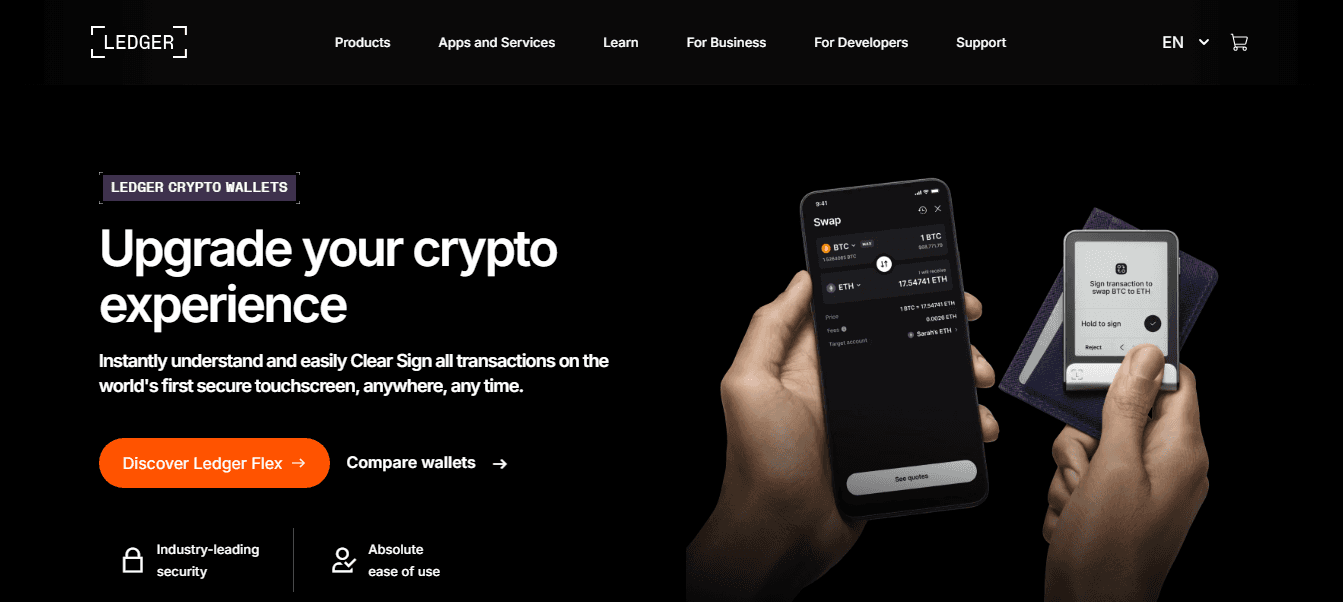
Ledger.com/start is widely known as a starting point for individuals who are new to using Ledger hardware wallets. People who purchase a Ledger device—whether it is a Ledger Nano S Plus, Ledger Nano X, or any other model—often visit that page to learn how to begin. Before interacting with digital assets or managing crypto portfolios, users benefit from understanding how hardware wallets work, why they are used, and what steps are typically involved in setting one up securely. This article provides a detailed, educational explanation of the concepts and processes associated with Ledger.com/start while avoiding step-by-step imitation of official instructions. Instead, it focuses on principles, safety practices, and what someone can expect to learn when beginning their journey with a hardware wallet.
A hardware wallet is a physical device designed to store cryptocurrency private keys offline. Unlike software wallets or online exchange accounts, hardware wallets are isolated from the internet, which reduces the risk of hacking. The core idea behind devices like Ledger’s products is simple: if the private key never leaves the device and remains protected by secure hardware, the risk of unauthorized access drops significantly. Ledger.com/start is a resource that helps users understand this principle and learn how to handle their crypto assets in a safer way.
Private keys are crucial because they grant direct control over crypto funds. Anyone with access to a private key can move the associated assets. For this reason, crypto security always emphasizes keeping private keys offline and protected. A primary benefit of a hardware wallet is that it generates and stores private keys within a secure chip. This chip is engineered to resist tampering, and the private keys are never exposed to the computer or mobile device connected to the wallet. Even when users connect their Ledger device to a computer or smartphone, the private keys stay locked inside the hardware. Ledger.com/start helps newcomers understand why this approach is considered one of the strongest forms of crypto protection available today.
The setup journey typically begins when the user unboxes their device. Authenticity matters when dealing with hardware that stores sensitive data. Many users purchase their Ledger devices directly from official sources to ensure they receive genuine, untampered products. The packaging usually contains the hardware wallet, instructions, a USB cable, and blank recovery sheets for writing the recovery phrase. Ledger.com/start often serves as the destination people visit to learn what to do next and how to proceed with secure setup practices.
One of the first things users learn is that they need companion software to interface with their hardware wallet. Ledger devices work alongside Ledger Live, a software application used for portfolio viewing, account management, installing crypto apps, and facilitating transactions. Ledger Live does not store private keys; instead, it communicates with the hardware device, which performs all sensitive signing operations. Users typically download Ledger Live through official channels. This is an important security consideration that Ledger.com/start emphasizes, because downloading software from unofficial sources can put users at risk.
Once a user has the correct software, the next key procedure is initializing the hardware wallet. During this process, the device generates something known as a recovery phrase. A recovery phrase—often consisting of 24 words—is a master key that can restore the entire wallet, including all accounts and associated funds. Understanding the importance of this phrase is one of the central lessons of any onboarding experience. The phrase must be written down physically and stored in a secure place. Writing it on paper, engraving it on metal, or storing it in a fireproof safe are common methods. What users must never do is store the phrase in digital form, such as saving it in a phone gallery, cloud storage, screenshot, or text file. Ledger.com/start-related materials strongly emphasize this point because digital storage exposes recovery phrases to hacking.
Another foundational principle reinforced by introductory educational content is that no legitimate platform, support team, website, or application will ever ask for a user’s recovery phrase. The phrase is intended to be private to the device owner only. Scammers often try to trick people into revealing it through fake websites or phishing emails. By educating users early and repeatedly, onboarding content helps prevent these types of attacks.
After securing the recovery phrase, users typically set a PIN code on the hardware wallet. The PIN adds a layer of physical protection. If someone steals the device, they cannot use it without the PIN. Because transactions must be approved directly on the hardware wallet by pressing its buttons, the PIN ensures that even physical theft does not immediately compromise funds. This combination of a secure chip, offline storage, and a user-set PIN forms a robust protective system.
With the device initialized and protected, users begin learning about installing cryptocurrency apps on their hardware wallet. Hardware wallets operate differently from most software wallets; they require small blockchain-specific apps for each type of cryptocurrency. For example, a user who wants to manage Bitcoin installs the Bitcoin app. Someone who wants to use Ethereum installs the Ethereum app. These apps are not full wallets; instead, they enable the device to understand and sign the respective blockchain's transactions. Ledger Live handles the installation, while the hardware wallet ensures that all sensitive operations happen internally. Ledger.com/start helps users understand why these apps are necessary and how they enable multi-asset management within a single device.
Adding accounts is the next significant concept. Accounts in Ledger Live represent public addresses derived from the private keys stored inside the device. When a user adds an account, Ledger Live retrieves the public information necessary to display balances and track transactions. The private keys themselves remain safely stored in the hardware wallet. Users can create multiple accounts for different purposes—saving, trading, receiving payments, or managing separate funds. Ledger.com/start serves as an educational bridge to help individuals feel comfortable with how these accounts function.
Receiving crypto is typically straightforward: users share their public address with someone who wants to send them funds. To send crypto, users create a transaction within Ledger Live and must then physically approve the transaction on the hardware wallet. This physical approval requirement is one of the strongest security features. It prevents malware or unauthorized software on the computer from silently sending funds without the owner’s permission. Users learn to always verify the transaction details on the device screen itself. If the details on the computer do not match those on the hardware device, the transaction should not be approved.
Another major topic covered in onboarding materials is firmware and software updates. Ledger devices occasionally release firmware updates to improve performance or add new features. Ledger Live also receives updates. Keeping both updated helps maintain security. However, users must ensure they only perform updates through official channels. Education from platforms like Ledger.com/start reinforces that firmware should not be downloaded from unofficial websites under any circumstances. Installing unauthorized firmware can compromise the device.
Newcomers often also learn about blockchain fundamentals. Different networks work differently, including how they calculate transaction fees and finality. For example, Bitcoin uses a proof-of-work model where miners confirm each block. Ethereum, after its evolution, uses proof-of-stake validators. Each blockchain has its own structure for gas fees or transaction costs. Ledger Live displays these fees to the user, allowing them to choose between slower and cheaper options or faster and more expensive ones. Ledger.com/start-style educational content helps users understand that fees are part of network operations, not charges imposed by wallet manufacturers.
Another concept users discover is that many tokens operate on top of larger blockchain networks. For example, ERC-20 tokens exist on the Ethereum blockchain, and Ledger devices support them through the Ethereum app. This means someone holding various tokens can manage them without installing multiple apps. Ledger Live reads token balances automatically, while the hardware wallet signs Ethereum-based transactions. Understanding how token standards work helps users navigate multi-asset portfolios more confidently.
Security awareness is another major pillar of hardware wallet onboarding. Users learn that phishing attempts, fake apps, fraudulent emails, and impersonation are common in the crypto world. Criminals may try to imitate Ledger branding or create fake support channels to trick users into sharing sensitive information. Ledger.com/start content generally advises users to double-check URLs, avoid clicking unknown links, and remain cautious of messages asking for recovery phrases or device access. The best defense is education combined with good personal security habits.
Once users grasp the basics, they may become interested in more advanced capabilities. Ledger devices can interact with decentralized applications, staking services, and Web3 platforms through compatible software or browser extensions. In these cases, the hardware wallet acts as a secure signer that confirms operations while external tools provide the interface. This allows users to participate in decentralized finance, non-fungible token ecosystems, or staking programs without exposing private keys. Ledger.com/start serves as the initial point where users learn about the possibility of expanding beyond simple send-and-receive transactions as their comfort level grows.
Backup strategies are also highlighted during the onboarding journey. The recovery phrase is the ultimate backup, but users often choose to store it in multiple secure locations. Some individuals create two or three copies and keep them in different safes. Others use fireproof metal plates to guard against natural disasters. The important idea is that the recovery phrase must remain private and protected. Losing it can result in permanent loss of access. Ledger.com/start educational materials help users think carefully about how to store this critical information.
Over time, users become more confident in managing their hardware wallet, navigating the Ledger Live interface, monitoring their portfolio, and approving transactions. The simple act of physically pressing buttons on the device during transactions reinforces the sense of control and security. Many users appreciate having a tangible device that protects digital assets, and this blend of physical and digital security is a key reason hardware wallets have become so popular.
Ledger.com/start functions as a gateway to understanding the broader crypto ecosystem. For newcomers, the world of blockchain technology can feel overwhelming. Terms like public key, private key, blockchain confirmation, staking, decentralized applications, cold storage, and gas fees can seem unfamiliar. But by following structured educational content, new users quickly gain confidence. They learn best practices from the beginning, which reduces the likelihood of mistakes or security risks later.
Hardware wallet security aligns with a core principle of cryptocurrency: financial sovereignty. Unlike traditional banking systems, crypto assets give users full control over their holdings. However, with this control comes responsibility. There is no customer support team that can reset a private key or reverse a transaction. Ledger.com/start and similar educational hubs exist to guide users through this new framework. They teach individuals how to be their own custodians in a secure and responsible way.
In conclusion, Ledger.com/start is recognized as an introduction point for individuals who want to understand how to use their Ledger hardware wallet safely and effectively. It helps users learn about downloading legitimate software, initializing the device, protecting the recovery phrase, installing applications, adding accounts, sending and receiving crypto, and following security best practices. The onboarding process emphasizes education, awareness, and user empowerment. By giving users the knowledge they need to manage their digital assets responsibly, the content associated with Ledger.com/start plays an important role in strengthening overall crypto security.
This 2000-word educational article provides a broad, safe, and informative explanation suitable for anyone seeking general understanding about Ledger hardware wallets and the typical topics covered when someone begins at Ledger.com/start.